When snow closes the high dhams around Diwali–Bhai Dooj, the yatra doesn’t end — it descends. Each deity moves to a winter seat at road altitude, and Uttarakhand Tourism formally promotes the four as the Winter Char Dham Circuit. Checked 01 October 2026.
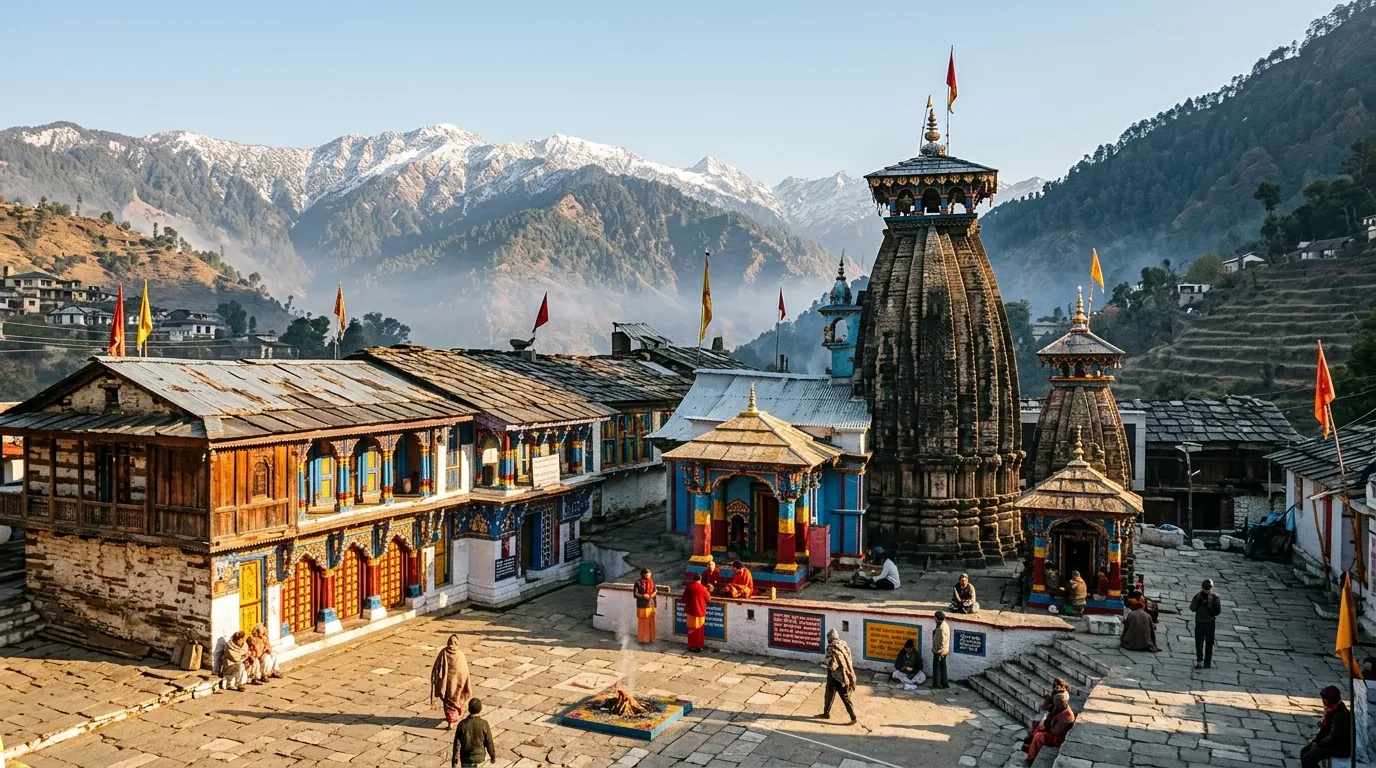
The winter seats
| Dham | Winter seat | Where | Status |
|---|---|---|---|
| Kedarnath | Omkareshwar Temple | Ukhimath, Rudraprayag | Verified — official source |
| Badrinath | Narasimha Temple | Joshimath | Verified — official source |
| Gangotri | Village temple | Mukhba (Mukhwa), near Harsil | Verified — official source |
| Yamunotri | Village temple | Kharsali | Verified — official source |
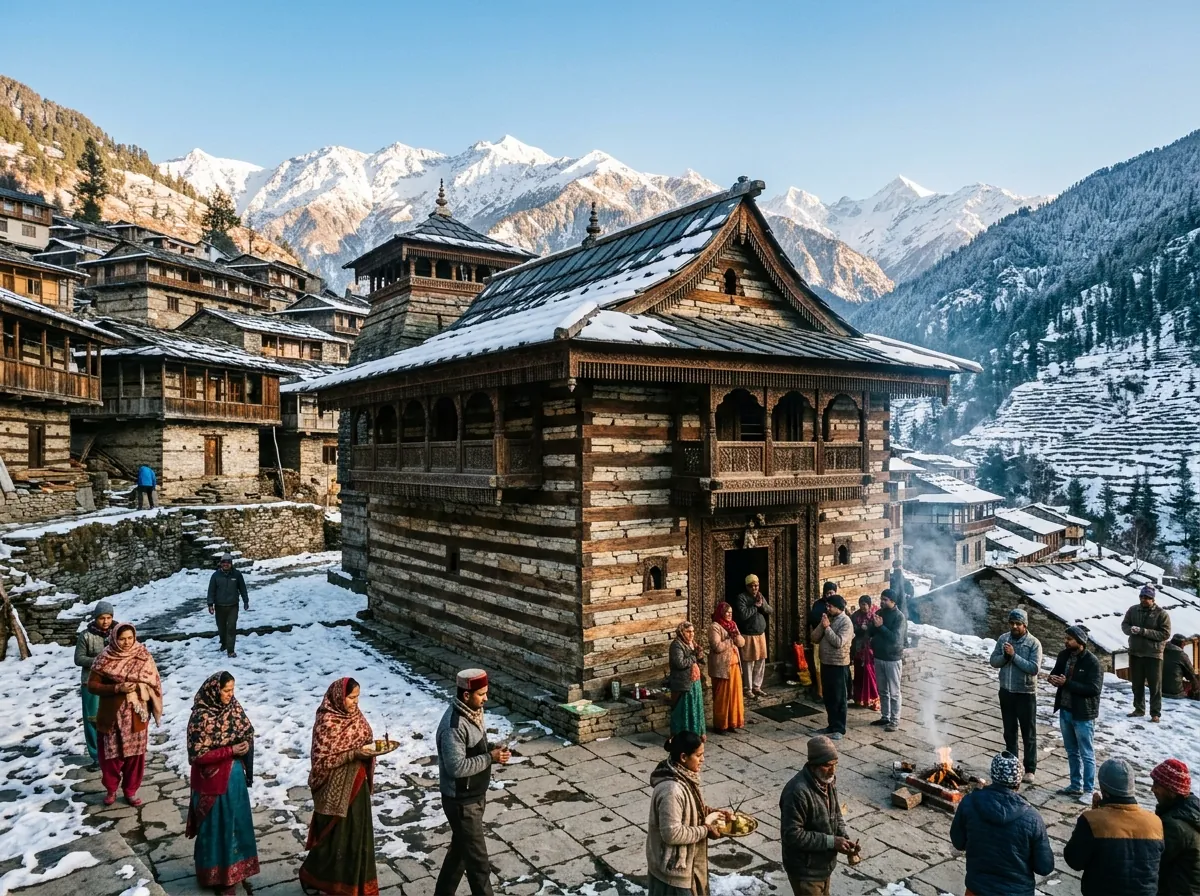
Why the winter circuit matters
For pilgrims who cannot attempt the summer season — health, work, or the season itself missing them — the winter circuit delivers all four darshans at accessible altitudes, without treks, in months when the high routes are under snow. The 2026 closing side: Kedarnath’s deity was scheduled to move on 11 November (Bhai Dooj, reported); the others follow the same window.
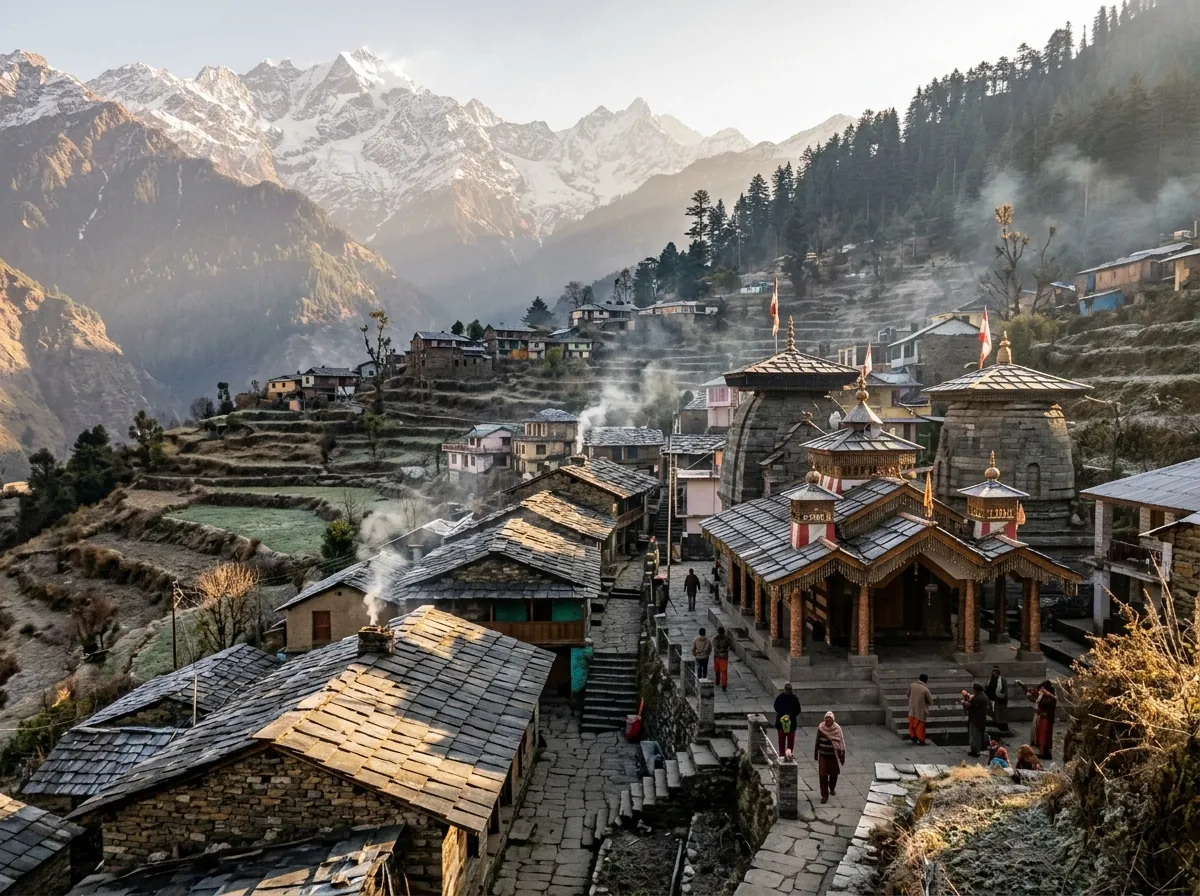
Planning notes
- The winter seats are ordinary road towns — Ukhimath, Joshimath, Mukhba, Kharsali — with normal hotels and no registration trek requirements (route status still matters; carry chains in peak winter).
- The moves themselves — the doli processions — are events; timing a visit to a closing/opening ceremony adds the spectacle.
- Pair with Rishikesh/Haridwar for a complete winter pilgrimage week.
Frequently asked questions
Where do the deities go in winter?
Ukhimath (Kedarnath), Joshimath (Badrinath), Mukhba (Gangotri), Kharsali (Yamunotri) — official state listing.
Is winter darshan worth it?
For seniors, winter travellers and repeat pilgrims — the seats offer the full darshan experience without altitude or treks.