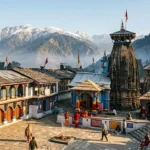
The yatra runs from spring kapat openings to the Diwali–Bhai Dooj window — roughly late April/May to October–November — but “open” and “good” are different things. Two windows lead: May–June (everything open, crowds at holiday peaks) and September–mid-October (clearest skies, thinner crowds, colder nights). The monsoon middle is the season to avoid. Checked 01 October 2026.
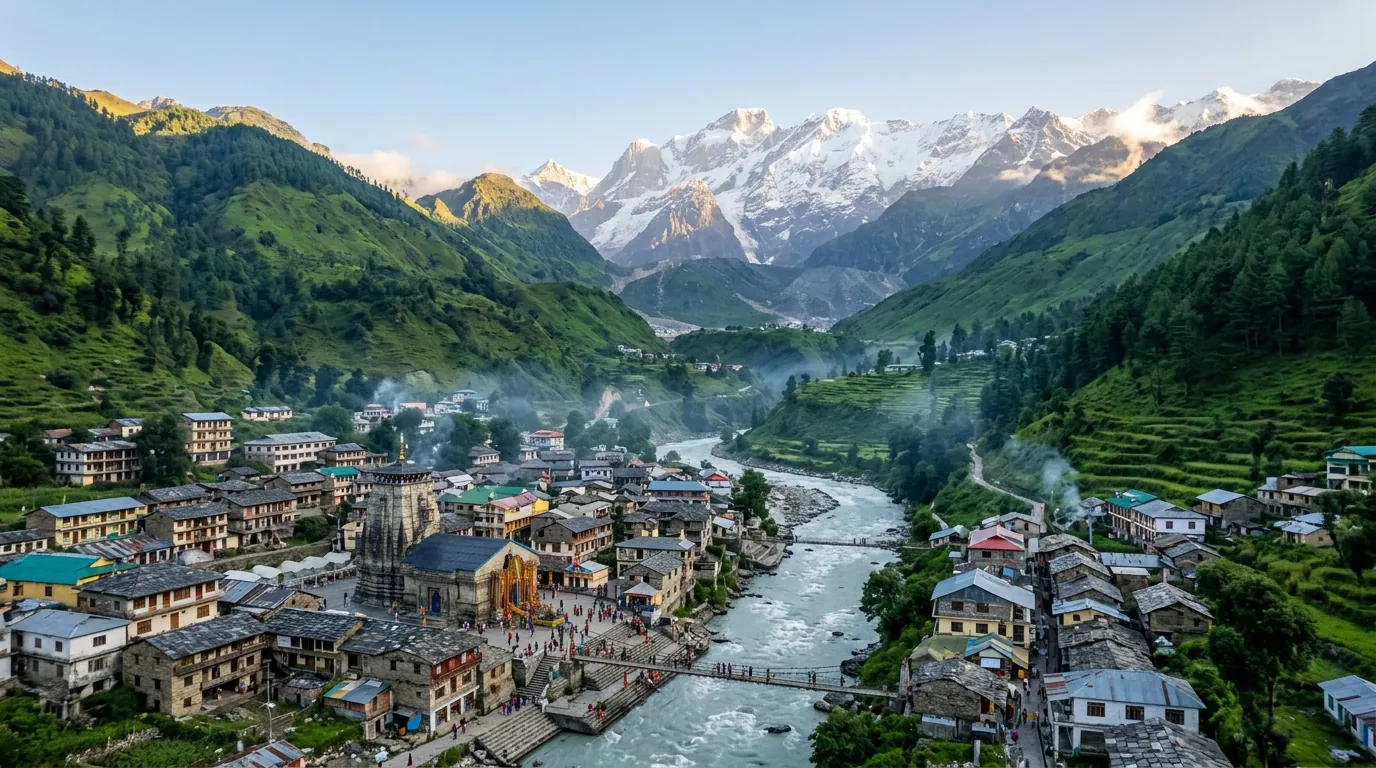
The season table
| Window | Crowd | Conditions | Verdict |
|---|---|---|---|
| Opening weeks (Apr/May) | High (opening surge) | Cold nights, spring snow on trails | Energetic, book early |
| Late May–June | Peak (school holidays) | Warm valleys, stable days | The classic window |
| Jul–Aug | Moderate | Monsoon: landslides, suspensions | Avoid unless unavoidable |
| Sep–mid Oct | Thin | Clear skies, cold nights | The connoisseur’s window |
| Closing weeks (Oct–Nov) | Moderate (closing ceremonies) | Snow returning at altitude | Festive, hardy-traveller season |
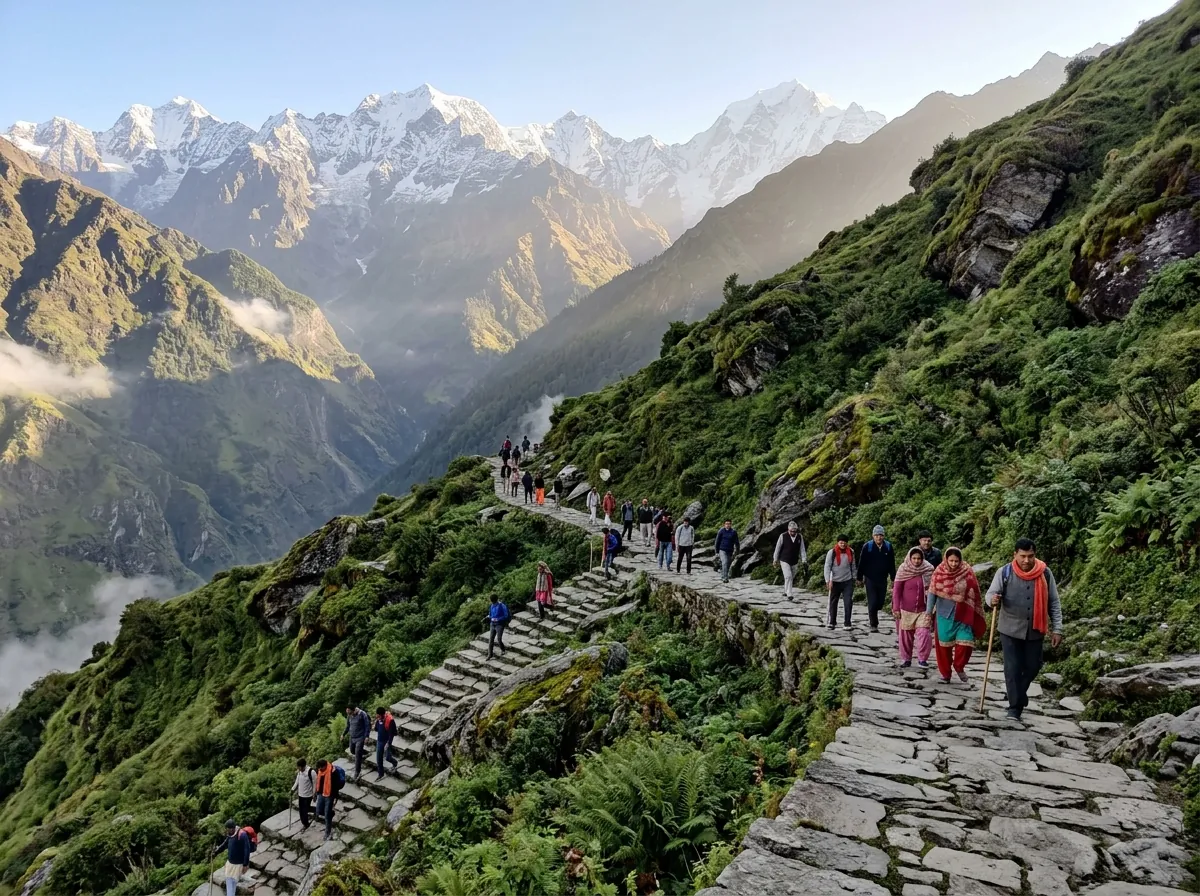
What 2026 taught (reference)
The season opened 19–23 April (reported), ran past 40 lakh pilgrims by late June, weather-suspended for two days, and recorded 201 health-related deaths by late June — the crowd-and-health reality of the classic window. September redistributes all of it: fewer people, same temples, colder mornings.
Choosing by traveller type
- Families with school-age kids: late May–June, booked far ahead.
- Retirees/elderly: September — calm, clear, slow; or the winter seats entirely.
- Photographers: post-monsoon September; the peaks show off.
- Devout festival-timers: opening/closing ceremonies (doli processions).
Frequently asked questions
Best month?
May–June for stability, September for calm and clarity.
Is monsoon travel possible?
Possible and routine for some — with buffer days and daily advisories; it is the highest-friction season.