
The Char Dham Yatra is a high-altitude undertaking dressed as a road trip — the dhams sit at roughly 3,000–3,600 m, and the state’s own response has grown accordingly: mandatory health screening in the 2026 protocol, an official health advisory on health.uk.gov.in, and a 24/7 helpline (104). The season’s reported numbers make the case better than any warning could: 201 health-related deaths by late June 2026, most cardiac, 80 on the Kedarnath route. This page organises the planning facts. It is not medical advice — consult a doctor, and read the official advisory. Checked 01 October 2026.
The protocol layer
| Item | Detail | Status |
|---|---|---|
| Health screening | Mandatory under the 2026 protocol; fitness checks reported | Reported (ITD, Apr 2026) |
| Health registration | eswasthyadham.uk.gov.in on the official portal | Verified — official source |
| Advisory | “Char Dham Yatra Health Advisory 2026” PDFs (updated 15 Apr 2026); handbook | Verified — official index; PDF details unconfirmed |
| Helpline | 104 (24/7) | Official listing |
| Acclimatization | 24–48 h advised; BP/heart/respiratory patients to consult doctors first | Official advisory (summary) |
What the altitude does
At 3,000+ m, oxygen pressure drops enough that unacclimatised visitors feel breathless on stairs; a minority develop acute mountain sickness (AMS): headache, nausea, sleeplessness, dizziness. The standard guidance the advisory echoes: ascend gradually, hydrate, avoid alcohol and sedatives, and descend if symptoms worsen — descent is the treatment, not endurance. Kedarnath’s combination of altitude, trek and emotional rush is where the data concentrates; the trek guide’s pacing exists for this reason.
The pre-yatra checklist
- Doctor consult 4–6 weeks out — especially for cardiac, BP, respiratory or diabetic conditions; carry prescriptions in original packaging.
- Build walking fitness — daily walks in the months before; stairs, not just flat ground.
- Screen honestly — the 2026 checks exist to catch what self-assessment hides.
- Plan the slow profile — rest nights after treks, buffer days for weather.
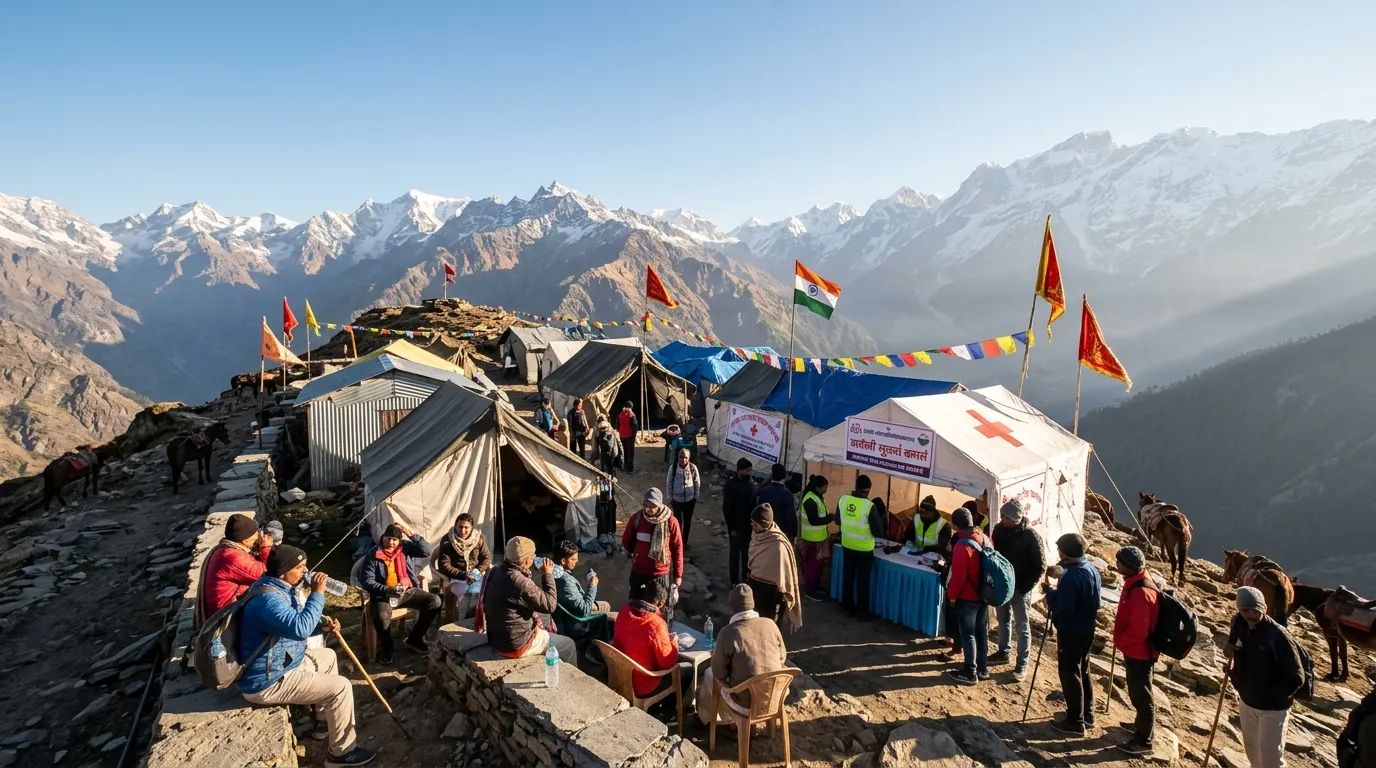
- Know the exits — medical points line the routes; helicopter evacuation exists for emergencies; helpline 104.
The honest framing
Tens of lakhs complete this yatra every year, and the overwhelming majority come home well. The deaths concentrate among pilgrims who over-exerted at altitude with unmanaged conditions. The difference between those groups is almost always preparation — which is exactly what the state’s screening and advisory system now enforces.
Frequently asked questions
Is health screening mandatory?
For 2026, yes under the new protocol; 2027’s terms will be confirmed closer to the season.
Who should not attempt Kedarnath’s trek?
That’s a doctor’s question, not a website’s — but unmanaged cardiac/bp/respiratory conditions top every official caution list. Palki and helicopter options exist; the altitude doesn’t.
What are AMS symptoms to watch?
Headache, nausea, dizziness, sleeplessness — worsening symptoms mean descend and get help. Helpline 104.