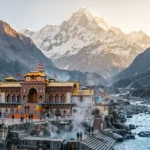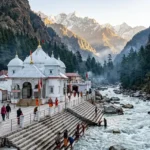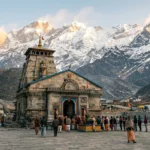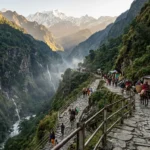
The Kedarnath trek is the Char Dham’s defining physical act: ~16 km uphill from Gaurikund (newer-alignment figures run to ~20 km — sources conflict; the mountain doesn’t care which number you prefer). Most walkers take 6–9 hours up, 4–6 down.
This page is the honest sizing of that day: the timings, the carries, the weather discipline, and the health context. Checked 01 October 2026.
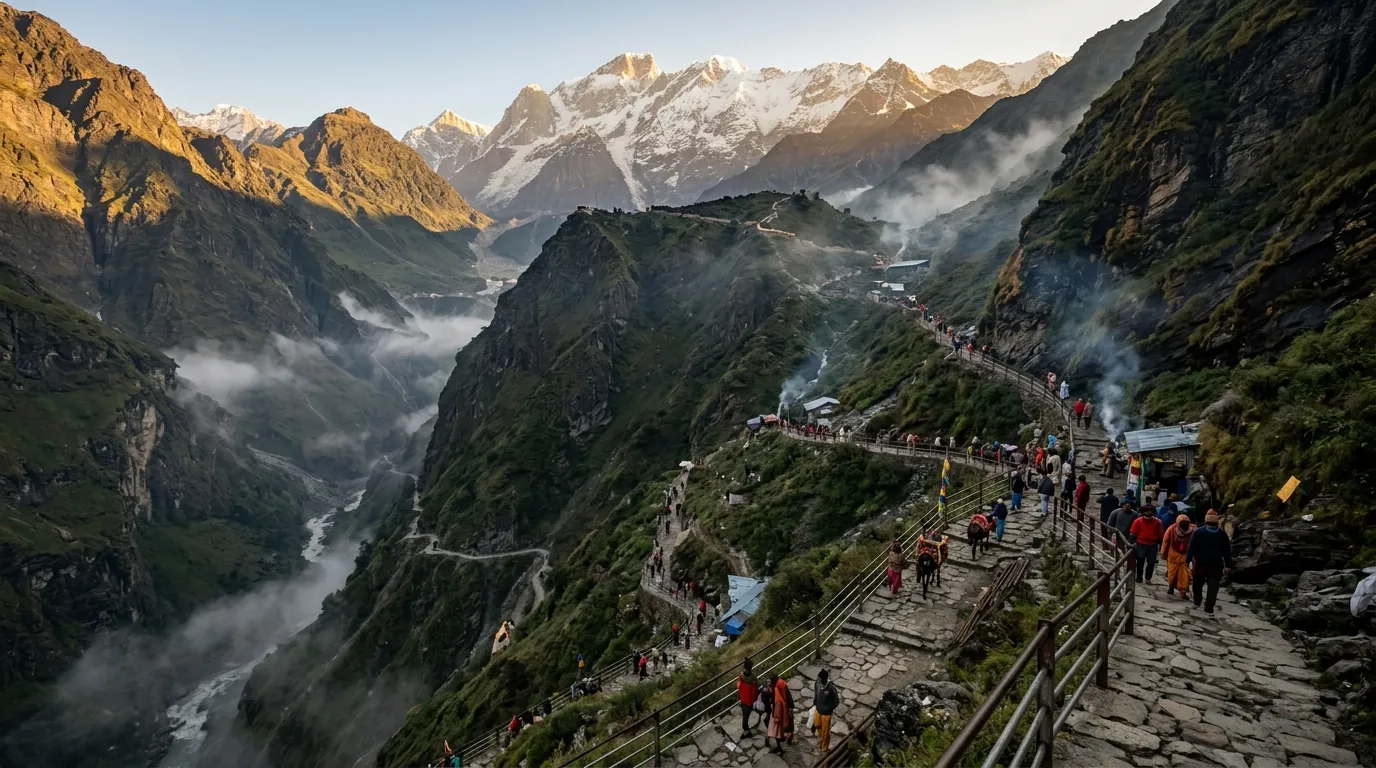
The day, structured
| Phase | Detail | Guidance |
|---|---|---|
| Pre-dawn | Sonprayag/Gaurikund start; register checkpoint done | Beat the sun and the mule trains |
| Lower route | Gaurikund → Rambara | Steady grade; last full services |
| Upper route | Rambara → the moraine rise | Steepest; wind picks up |
| Summit stretch | Final kilometer to the temple plateau | Emotion + exhaustion collide — slow here |
| Descent | Same route, down | Knees; start before afternoon cloud |
Reported timing bands; the mountain sets the real clock.
Carries: palki, pony, porter
All three services run the full route. Guide figures put palki at ~₹4,250–4,900 one-way by weight and ponies lower — all unconfirmed; the official board at the prepaid counter is the authority, and paying outside it feeds exactly the informal economy that scams pilgrims elsewhere. Book palkis early in the morning at Sonprayag/Gaurikund.
Safety, repeated honestly
2026’s season: weather suspensions, a rockfall incident on this route, and the yatra’s heaviest health toll concentrated here. The rules that survive every season: start early, turn around in rain, keep a rest night after, and read the altitude-health guide as a requirement, not a suggestion. Weather suspensions are the system protecting you — comply without argument.
Frequently asked questions
How many hours for the trek?
6–9 up, 4–6 down for most walkers (reported bands).
Palki rates?
Reported ₹4,250–4,900 one-way by weight — unconfirmed; counter board governs.
Can beginners do it?
Yes, with training walks beforehand and honest pacing — the health guide’s checklist first.